
Fintech Company Compliance in Jeddah
Last Updated:
July 12, 2026
Fintech companies don’t just need articles of association or a general policy; they need a compliance framework tied to their digital business model, how they receive funds or carry out transactions, their customer type, technology risks, KYC requirements, and anti-money laundering policies. That’s why reviewing a fintech company differs from reviewing an ordinary commercial company, since the risks, regulators, and operational data involved are more sensitive.
BMS Legal offers fintech compliance services in Jeddah as part of our corporate governance and compliance track, under the supervision of lawyer Sunaitan Mohammed bin Hayef Al-Subaie, a licensed lawyer and member of the Saudi Bar Association, with professional qualifications in governance, compliance, risk management, and anti-money laundering. The service focuses on reviewing the business model, identifying the required policies, and preparing the legal and compliance files suited to the nature of the company and the relevant authority.
- Supervised by Lawyer Sunaitan Al-Subaie
- Fintech Companies
- AML Policies
- KYC & Due Diligence
- Business Model Review
- Regulatory Requirements
Is Your Digital Financial Model Compliance-Ready?
Send a description of your business model, the type of financial or digital service, how you deal with customers, the flow of funds or payments, and any current policies, so we can determine the appropriate scope of legal and compliance review.
Select a Case Description:
- Digital Wallet
- Payments
- Tech Financing
- Financial Platform
- KYC
- AML
- Licensing
What Does Fintech Compliance in Jeddah Mean?
Fintech compliance in Jeddah means reviewing the digital financial business model, internal policies, customer identification procedures, anti-money laundering measures, risk management, protection of operational data, and the requirements of the relevant regulator based on the nature of the activity. A general policy isn’t enough here, since every fintech model has a different path for funds, customers, operations, and risk.
A company may be at the idea stage, testing, initial operation, expansion, or preparing licensing requirements. Priorities differ at each stage: the company may need a business model review, drafting of AML and KYC policies, preparation of a compliance and conduct guide, or a compliance file to support a licensing application or internal review.
Professional Supervision: Lawyer Sunaitan Mohammed bin Hayef Al-Subaie
BMS Legal’s fintech compliance service is provided under the supervision of lawyer Sunaitan Mohammed bin Hayef Al-Subaie, a licensed lawyer and member of the Saudi Bar Association, with professional qualifications in governance, compliance, risk management, and anti-money laundering.
This track focuses on connecting legal and compliance requirements to the tech business model, so the fintech company isn’t treated like a traditional company. Files are reviewed from the angle of customers, operations, payments, risk, due diligence, internal policies, and licensing or operating obligations based on the nature of the activity.
Professional Qualifications Related to Fintech
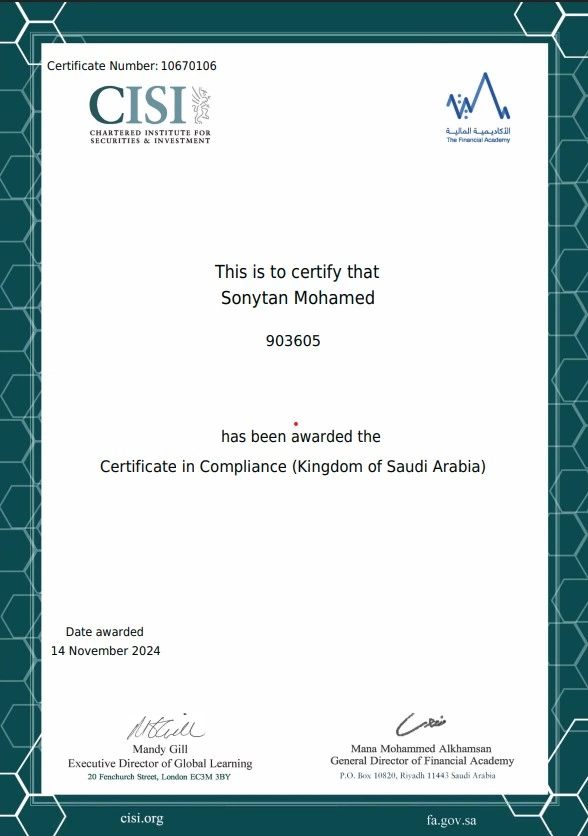
Certificate in Compliance – Kingdom of Saudi Arabia
A professional qualification in compliance within the Kingdom, suited to understanding the compliance environment and corporate policies.

GRCP – Governance, Risk and Compliance Professional
A professional qualification in governance, risk management, and compliance, suited to building a corporate GRC framework.
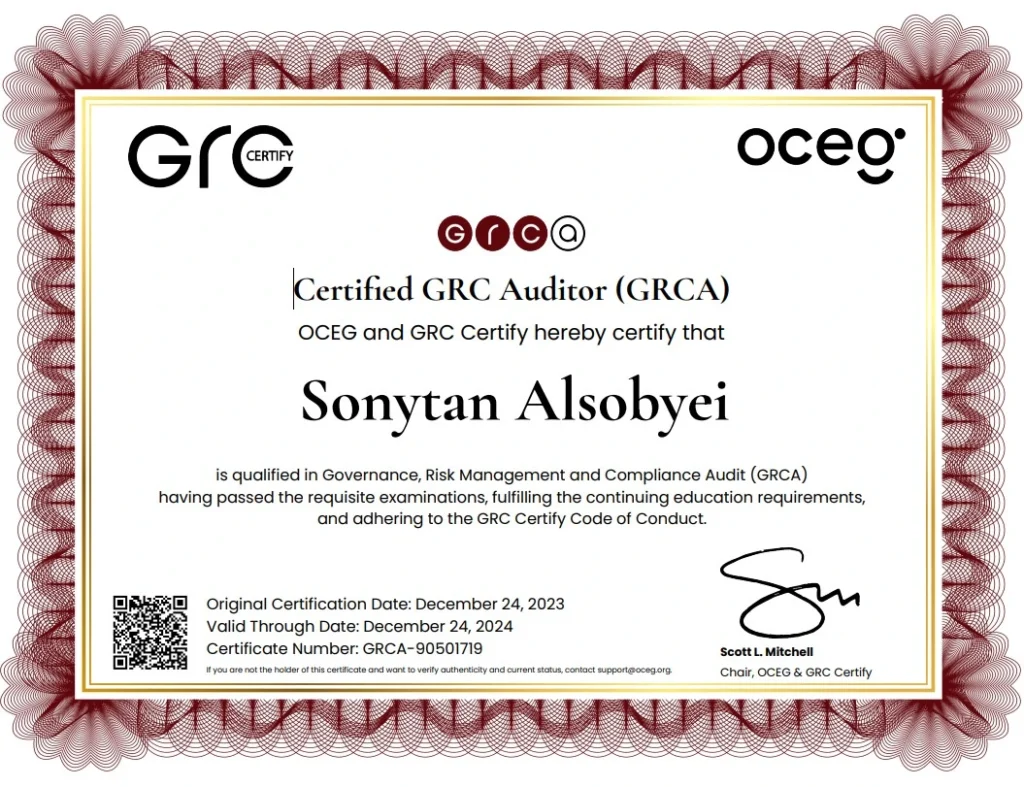
GRCA – Governance, Risk and Compliance Auditor
A professional qualification in auditing governance, risk, and compliance, suited to assessing internal policies and procedures.
What Do We Review in Fintech Companies?
Compliance review for fintech companies varies depending on the service offered, but there are core areas that usually appear in any digital financial model.
Financial Business Model
Reviewing the service description, beneficiary parties, revenue model, flow of funds, and the limits of the company's role in the financial transaction.
Potential Regulator
Determining whether the activity is closer to payments, financing, investment, brokerage, financial data, or other digital financial services.
KYC Procedures
Reviewing the customer identification method, the data required, the verification mechanism, and updating customer information when needed.
Anti-Money Laundering
Identifying money laundering and terrorist financing risks, and designing AML policies suited to the type of customers and transactions.
Risk Management
Reviewing the regulatory, operational, financial, and technical risks that could affect the company's readiness.
Internal Policies
Preparing or reviewing compliance policies, professional conduct, confidentiality, conflict of interest, internal reporting, and record-keeping.
Licensing Requirements
Reviewing and preparing the legal and compliance requirements related to licensing or permit applications, based on the activity and the relevant authority.
Governance & Compliance Services for Fintech Companies
This service helps fintech companies turn their digital business model into a clearer legal and compliance file before operating, licensing, or expanding.
Business Model Review
Analyzing the digital financial service and determining its legal and compliance impact, especially when payments, customer transactions, or third parties are involved.
Drafting AML Policies
Preparing anti-money laundering policies suited to the fintech model, customer type, operations, and usage risks.
Preparing KYC Procedures
Drafting customer identification, verification, risk classification, and data update procedures based on the nature of the service.
Reviewing Licensing Requirements
Supporting the company in understanding and preparing the legal and compliance requirements related to licensing or permit applications.
Drafting Compliance Policies
Preparing internal compliance policies, follow-up mechanisms, management responsibilities, and escalation procedures for violations or observations.
Preparing a Code of Conduct & Compliance Guide
Drafting a guide that sets out professional conduct rules, confidentiality, conflict of interest, gifts, internal reporting, and customer dealings.
Reviewing Operational & Regulatory Risks
Identifying risk points related to the operating model, external parties, data, customers, and record-keeping.
When Does a Fintech Company Need a Compliance Review?
A fintech company may need a compliance review before launching a product, before applying for a license, when changing its business model, when adding a new financial service, or when feedback emerges from an investor or regulator.
Before Launching the Product
Before actual operation, it's important to understand whether the model needs compliance policies, a regulatory review, or a license.
Before Applying for a License or Permit
A license application usually requires clear documents and policies, and a marketing description of the service isn't enough.
When Handling Customer Payments
The presence of funds, payments, wallets, or transfers increases the need for AML, KYC, and risk reviews.
When an Investor Comes On Board
An investor may assess the company's readiness from a governance, compliance, and risk perspective, not just the product.
When Changing the Activity or Business Model
Changing the activity or adding new services may require reviewing policies so they aren't left based on a previous state.
When Modifying the Business Model
Changing how the service is delivered or adding a new financial product may change the regulatory classification of the activity.
When Clear Internal Policies Are Missing
A company operating with unwritten policies or generic templates may struggle to demonstrate its internal or regulatory readiness.
6 Steps to Reviewing a Fintech Company's Compliance
Documents Needed to Review a Fintech Company
These documents help us understand the business model before determining the appropriate policies or regulatory requirements.
- Commercial registration and the company's basic details.
- Description of the financial or digital business model.
- Explanation of the flow of funds or payments within the service.
- Types of target customers.
- The customer journey within the app or platform.
- KYC forms or customer identification procedures, if any.
- Anti-money laundering policies, if any.
- Compliance, risk, or conduct policies, if any.
- Third-party or service provider contracts, if any.
- Any requirements or correspondence from a regulator.
- The purpose of the review: licensing, operation, expansion, investment, or policy updates.
Common Mistakes That Can Weaken a Fintech Company's Readiness
Relying Only on a Product Description Without Regulatory Analysis
A product may look purely technical, but it may involve a financial activity that requires a compliance review or a license.
Delaying AML and KYC Policies
Waiting until after operations begin can expose gaps in customer identification, due diligence, or risk classification.
Using Generic Policies
A generic AML policy isn't enough for a fintech company, since it doesn't reflect the flow of funds, customers, or digital operations.
Not Understanding the Regulator's Role
Failing to identify the potential regulator can lead to preparing documents that don't suit the nature of the activity.
Neglecting Third-Party Contracts
Fintech companies often rely on service providers or technology partners, and this must be linked to risk and obligations.
Lack of Customer Journey Documentation
Failing to document the customer journey weakens the ability to explain the business model, KYC policies, and risk.
Fintech Company Compliance in Jeddah
This page serves fintech companies in Jeddah that need a business model review, drafting of AML and KYC policies, preparation of compliance requirements, or a review of licensing requirements. A large part of the work can be carried out remotely once the company’s documents and business model are clear.
Why Choose BMS Legal for Fintech Compliance?
Specialized Professional Supervision
The service is reviewed under the supervision of lawyer Sunaitan Mohammed bin Hayef Al-Subaie, with professional qualifications in governance, compliance, risk management, and anti-money laundering.
Understanding the Nature of Fintech Companies
A fintech company isn't treated like a traditional company; instead, the business model, flow of funds, customers, and risks are examined.
Tying AML and KYC to the Operating Model
Policies are built around how the company actually operates, not based on generic templates unrelated to the product or platform.
Preparing Scalable Files
Policies can be built in a way that allows them to be updated as the business expands or new products are added.
Transparency in the Scope of Service
The service isn't offered as a guarantee of licensing or approval, but as a legal and compliance review and preparation based on the activity and the relevant authority.
Trust Details to Support Your Decision Before Sharing Your Business Model
Before sharing your business model, customer documents, or fintech policies, you can review the firm’s and team’s details through the dedicated verification pages on the website.
Lawyer Sunaitan Mohammed bin Hayef Al-Subaie
Lawyer Sunaitan's professional profile shows license details and professional qualifications related to governance and compliance.
Lawyers' Licenses
You can review the license details of the lawyers on our team.
Commercial Registration
This page shows professional membership details for our team. BMS Legal is registered as an active commercial entity, in the form of a professional company.
License & Registration
A single page bringing together the firm's verification and accreditation details.
Does Your Fintech Company Need a Compliance Review?
Send a description of your business model, the flow of funds or payments, your customer type, and any available policies, so we can determine the appropriate scope of legal and compliance review.
Frequently Asked Questions About Fintech Compliance in Jeddah
What are fintech companies?
These are companies that use technology to provide or facilitate financial services, payments, financing, or digital solutions related to the financial sector.
Does every fintech company need a license?
That depends on the nature of the activity, the business model, and the relevant authority. The service needs to be examined before determining the path.
What are the most important policies for a fintech company?
These usually include AML, KYC, compliance, risk, professional conduct, confidentiality, and record-keeping policies.
Does a fintech company's AML policy differ from an ordinary company's?
Yes, because it must reflect the flow of funds or payments, the customer journey, digital operations, and the risks specific to the model.
Do you help prepare licensing requirements?
We help review and prepare the legal and compliance requirements related to the licensing application, but the decision remains with the relevant authority.
When should I review compliance for a fintech project?
Ideally before launching the product, applying for a license, onboarding customers, or changing the business model.
Does lawyer Sunaitan supervise this service?
Yes, the service is offered as part of our corporate governance and compliance track, under the supervision of lawyer Sunaitan Mohammed bin Hayef Al-Subaie.
What's the first step in reviewing a fintech company?
The first step is to send a description of the business model, the flow of funds, the customer type, and any available policies.